Dengue fever, also known as Dengue Hemorrhagic Fever (DHF), is a serious disease that can be life-threatening if not treated properly. In Indonesia, DHF is a significant health problem, with thousands of cases reported each year. This article will discuss the causes, symptoms, and preventive measures that need to be taken to overcome dengue fever.
1. Causes of Dengue Fever in Indonesia
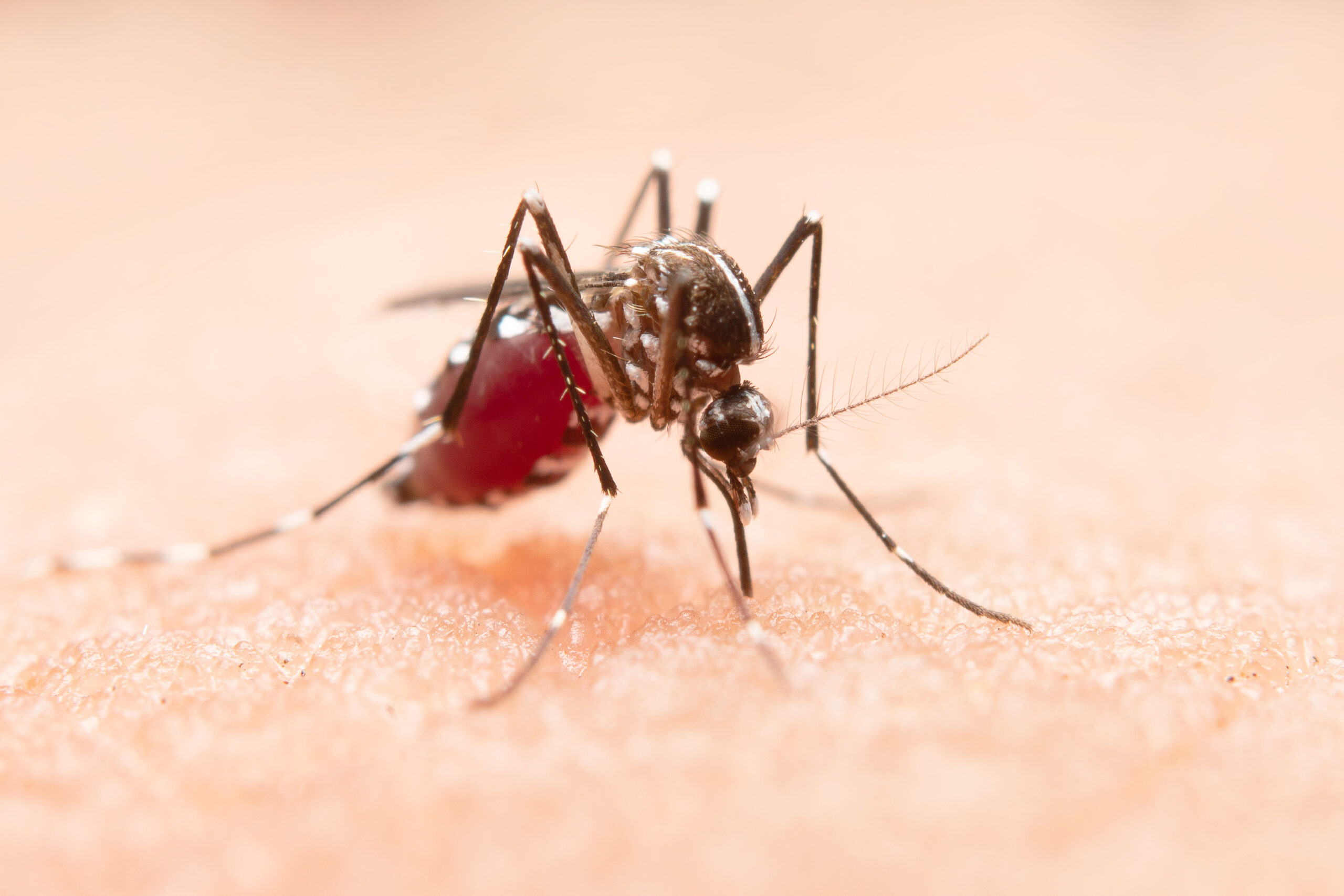
Dengue fever is caused by the dengue virus, which is transmitted through the bite of an infected Aedes aegypti mosquito. The following are factors that contribute to the spread of this disease:
a) Environments that Support Mosquito Breeding
Aedes aegypti mosquitoes breed in clean, stagnant water, such as bathtubs, buckets, and unkempt flower pots. Humidity and poor sanitation are important risk factors in the spread of dengue fever in Indonesia.
b) Environmental and Climate Change
Climate change, such as rising temperatures and irregular rainfall, can affect mosquito populations and expand their range. Increased urbanization and environmental changes can create more ideal conditions for mosquitoes to breed.
c) Behavioral Factors
Kurangnya kesadaran masyarakat tentang pentingnya menjaga kebersihan lingkungan dan pengendalian vektor dapat memperburuk penyebaran demam berdarah. Kebiasaan yang berisiko, seperti tidak menggunakan kelambu saat tidur atau tidak membuang sampah dengan benar, juga dapat menyebabkan peningkatan risiko terkena gigitan nyamuk Aedes aegypti.
2. Dengue Fever Symptoms
The symptoms of dengue fever can vary from mild to severe. Some common symptoms include:
- Sudden high fever
- Muscle and joint pain
- Severe headache
- Skin rash
- Pain behind the eyes
- Nausea and vomiting
- Minor bleeding, such as nosebleeds or bleeding gums
In severe cases, dengue fever can develop into life-threatening dengue shock syndrome. Additional symptoms of this condition include a drastic drop in blood pressure, internal bleeding, and organ failure.
3. Prevention and Control of Dengue Fever
Prevention is key to controlling dengue fever in Indonesia. Here are some steps that can be taken to prevent the spread of this disease:
a) Eliminating Mosquito Breeding Sites
The community needs to actively eliminate places that can become breeding grounds for mosquitoes, such as puddles of water around the house. Buckets, bathtubs, flower pots, and other containers must be kept free of standing water.
b) Using Mosquito Nets and Repellents
Using mosquito nets when sleeping and applying mosquito repellent to exposed skin can help protect yourself from Aedes aegypti mosquito bites.
c) Raise Public Awareness
Community outreach and education on the importance of maintaining environmental hygiene, using mosquito nets, and controlling mosquitoes can help reduce the risk of dengue fever transmission.
d) Integrated Vector Control
Effective vector control through fogging, the use of larvicides, and biological control must be carried out in an integrated manner by the government and health agencies.
e) Early Detection and Medical Care
Recognizing the symptoms of dengue fever quickly and seeking timely medical care is very important. Early detection and proper treatment can reduce the risk of complications and death.
Cita Sehat Hosts BISIK About Dengue Fever
Dengue fever is a significant health problem in Indonesia. To address this issue, cooperation between the government, health agencies, and the community is necessary. Strong preventive measures, such as vector control, raising public awareness, and early detection, are important steps in reducing the spread of dengue fever and protecting public health.
Therefore, Cita Sehat held BISIK (Bincang Sehat Asyik), an online health education event for families in Indonesia. The theme of this BISIK event focused on information about dengue fever prevention efforts for families.