
It’s Not Just the Elderly—Noncommunicable Diseases Now Are Lurking for Anyone
Have you ever heard of noncommunicable diseases (NCDs)? Recently, NCDs have become a major concern, not only in Indonesia but also around the world. Why? Because these diseases have now surpassed infectious diseases as the leading cause of health problems.
Data from the World Health Organization (WHO) for 2018 show that 41 million people die each year from NCDs, accounting for about 71% of all global deaths. In Indonesia, there has been a major shift: in 1990, infectious diseases still dominated, but by 2017, 69.9% of all deaths were due to NCDs.
In other words, many people feel healthy, but are actually carrying risks they are unaware of.
What Are Noncommunicable Diseases (NCDs)?
NCDs are non-communicable diseases that are not caused by viruses, bacteria, or vectors. Instead, NCDs generally result from lifestyle choices and daily habits, such as a diet high in sugar and fat, physical inactivity, smoking, alcohol consumption, and stress.
Currently, about 73% of deaths in Indonesia are caused by NCDs. This means that diseases often considered “harmless” are actually the greatest threat.
Common Types of Non-Communicable Diseases
The following NCDs should be watched out for because they develop silently and have a significant impact:
1. Stroke
It occurs when blood flow to the brain is interrupted due to a blockage or a ruptured blood vessel. It’s like a sudden power outage to the brain—brain cells can be damaged in a matter of minutes.
2. Hypertension (High Blood Pressure)
It is known as the “silent killer” because it often has no symptoms. If left untreated, high blood pressure can lead to stroke, heart attack, kidney failure, or vision problems.
3. Coronary Heart Disease
It occurs when the coronary arteries narrow or become blocked. Globally, heart and vascular diseases account for 35% of deaths from NCDs.
4. Diabetes Mellitus
A metabolic disorder in which the body does not produce insulin or cannot use it properly. As a result, sugar builds up in the blood and damages the body’s organs.
5. Cancer
These include breast cancer, cervical cancer, and others. Cancer accounts for about 12% of deaths from NCDs.
6. Chronic Respiratory Diseases
This includes asthma and COPD, which are characterized by inflammation and narrowing of the airways.
An Effective Way to Prevent NCDs: Adopt the CERDIK Lifestyle
The good news is that NCD can be prevented and controlled. The Ministry of Health encourages the public to adopt the CERDIK behaviors, which are:
C – Cek kesehatan secara berkala (Get regular health checkups)
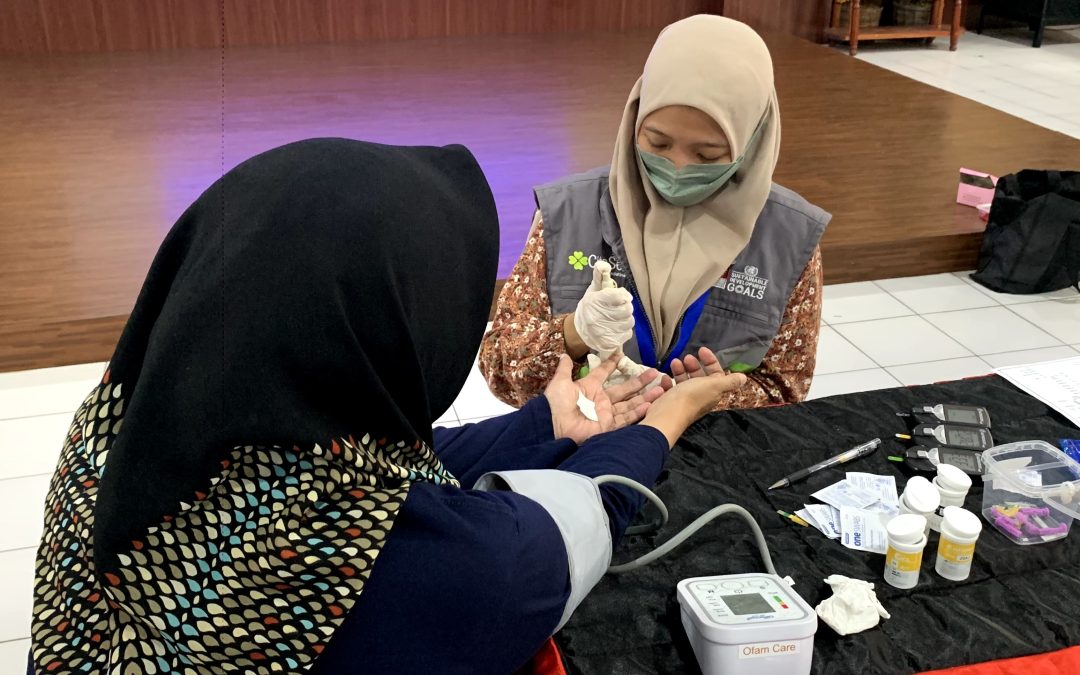
Don’t wait until you get sick. Check your blood pressure, blood sugar, and Body Mass Index regularly.
E – Enyahkan asap rokok (Get rid of cigarette smoke)
Both active and passive smokers are at high risk of developing NCDs.
R – Rajin aktivitas fisik (Be active)
Do this for at least 30 minutes a day. Brisk walking, cycling, or light exercise can be very helpful.
D – Diet sehat dengan gizi seimbang (healthy, nutritionally balanced diet)
Eat plenty of fruits and vegetables. Limit your intake of sugar, salt, and fat. Ideally, consume no more than 5 tablespoons of oil per day.
I – Istirahat cukup (Get enough rest)
Getting 7–8 hours of sleep helps the body recover and reduces stress.
K – Kendalikan stres (Manage stress)
Set aside some time for relaxation, meditation, or enjoyable activities.
Additional Tips for You or Your Family Members Who Have Been Diagnosed with NCDs
If you already have diagnosed by NCDs, the main focus is on managing the condition, including by:
- Take medication regularly as prescribed by your doctor,
- Follow a healthy diet,
- Engage in safe physical activity,
- Attend regular checkups at a healthcare facility,and
- Avoid exposure to hazardous substances such as carcinogens.
Remember, NCD isn’t the end of the world. With proper management, you can maintain an optimal quality of life.
Starting Today, Choose One Healthy Step
✅ You don’t have to change everything all at once.
✅ Just start with one small habit—check your blood pressure, cut back on sugary drinks, or add 10 minutes of walking.
Don’t wait for symptoms to appear. NCDs can be prevented with simple steps you can start taking today.