Jakarta, June 2026 – A sedentary lifestyle is one of the factors that increases the risk of various noncommunicable diseases (NCDs), such as diabetes mellitus, hypertension, heart disease, and stroke. Recognizing the importance of fostering a culture of healthy living within the community, Cita Sehat through its Kampung Seraya Cita Sehat program, organized simultaneous Healthy Exercise and Noncommunicable Disease (NCD) Screening events in seven supported regions throughout June 2026.
These events were held in Samarinda (June 21), Gorontalo (June 19), Banyumas (June 21), Padang (June 21), Sumedang (June 11), Sambas (June 14), and Bima (June 14), with approximately 350 participants.
Promoting an Active Lifestyle as a Way to Prevent Disease
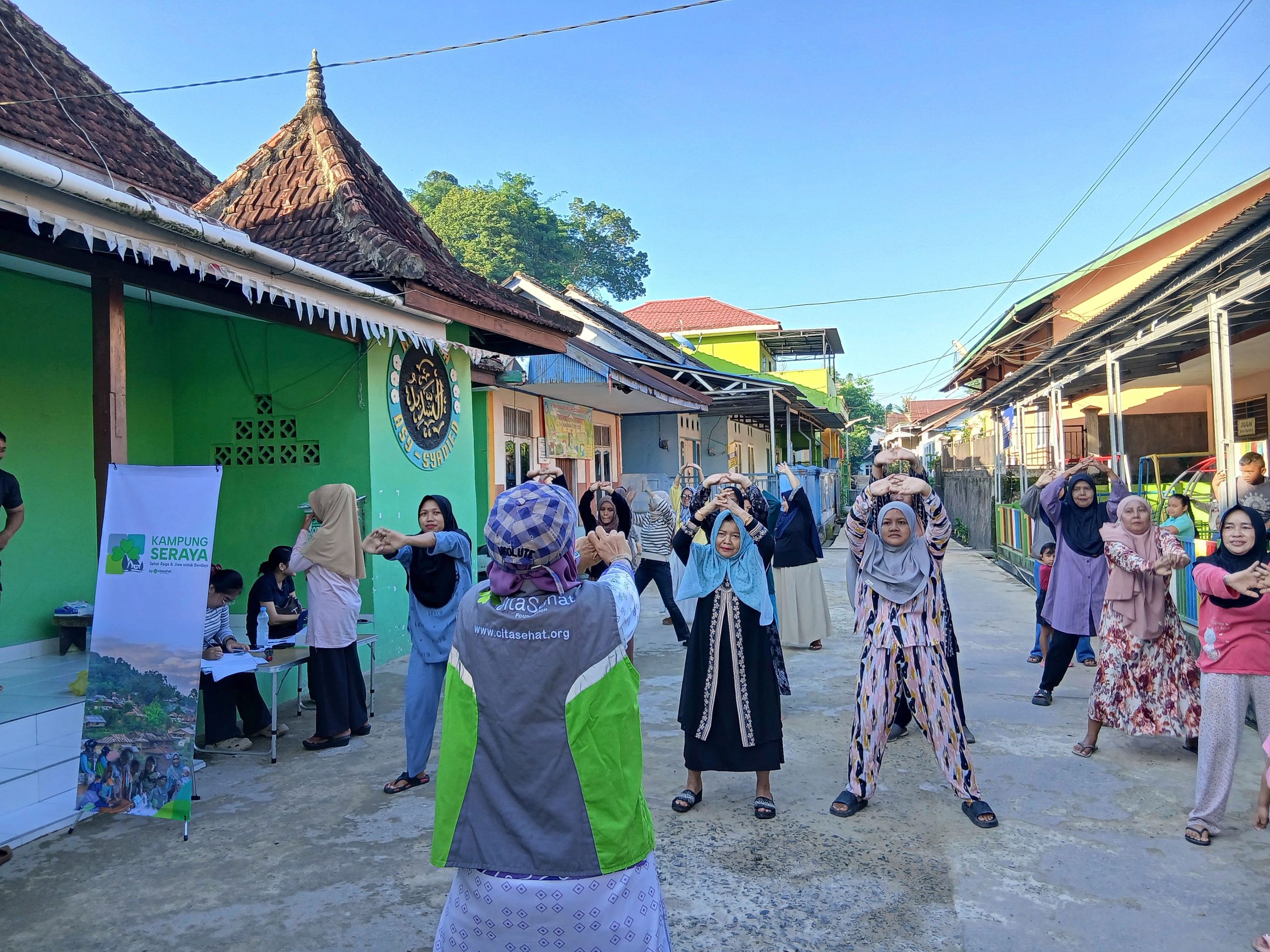
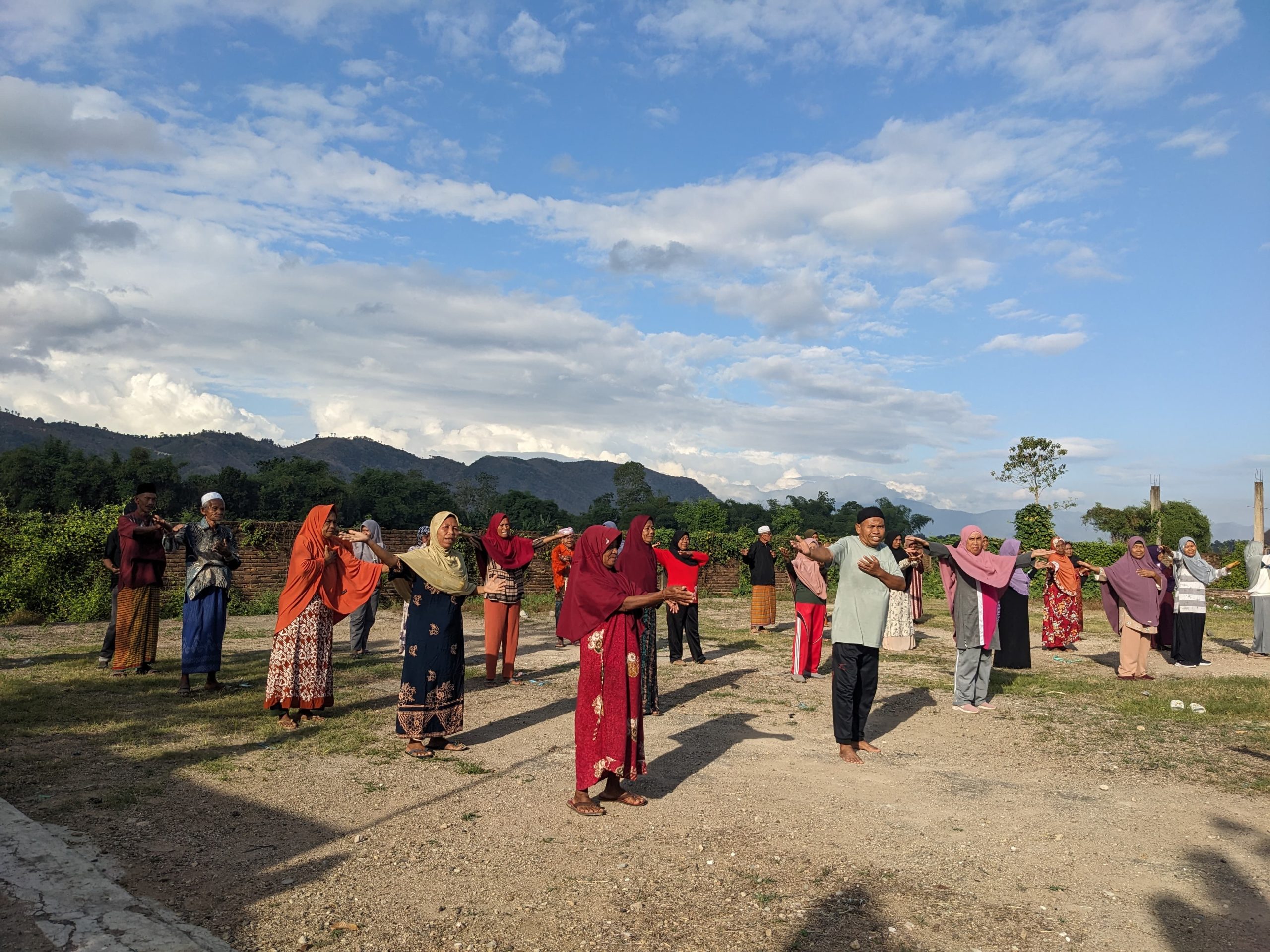
Inspired by the motto “Healthy Body, Healthy Mind, and Empowered,” this event aims to raise public awareness that maintaining good health can start with simple habits, one of which is regular physical activity.
The series of activities began with participant registration, followed by a group fitness session led by an instructor. An atmosphere of enthusiasm and camaraderie was evident throughout the event at all locations.
In addition to serving as a venue for group exercise, this event also encourages the public to make physical activity a part of their daily lifestyle to reduce the risk of various noncommunicable diseases.
NCD Screening for Early Detection of Risk Factors for Chronic Diseases
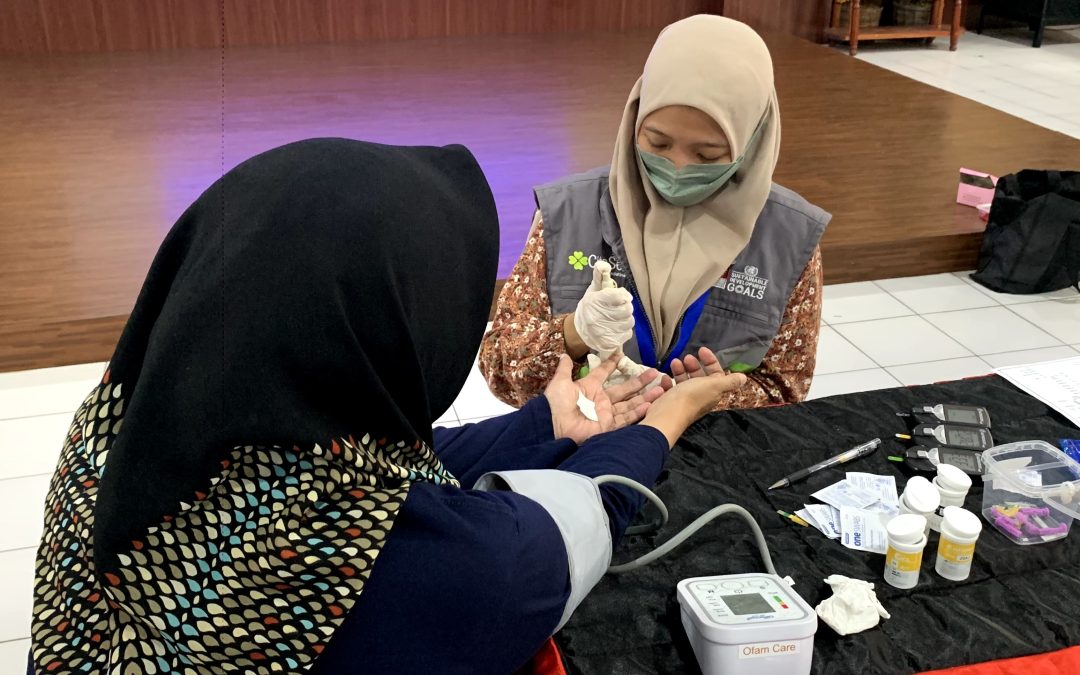
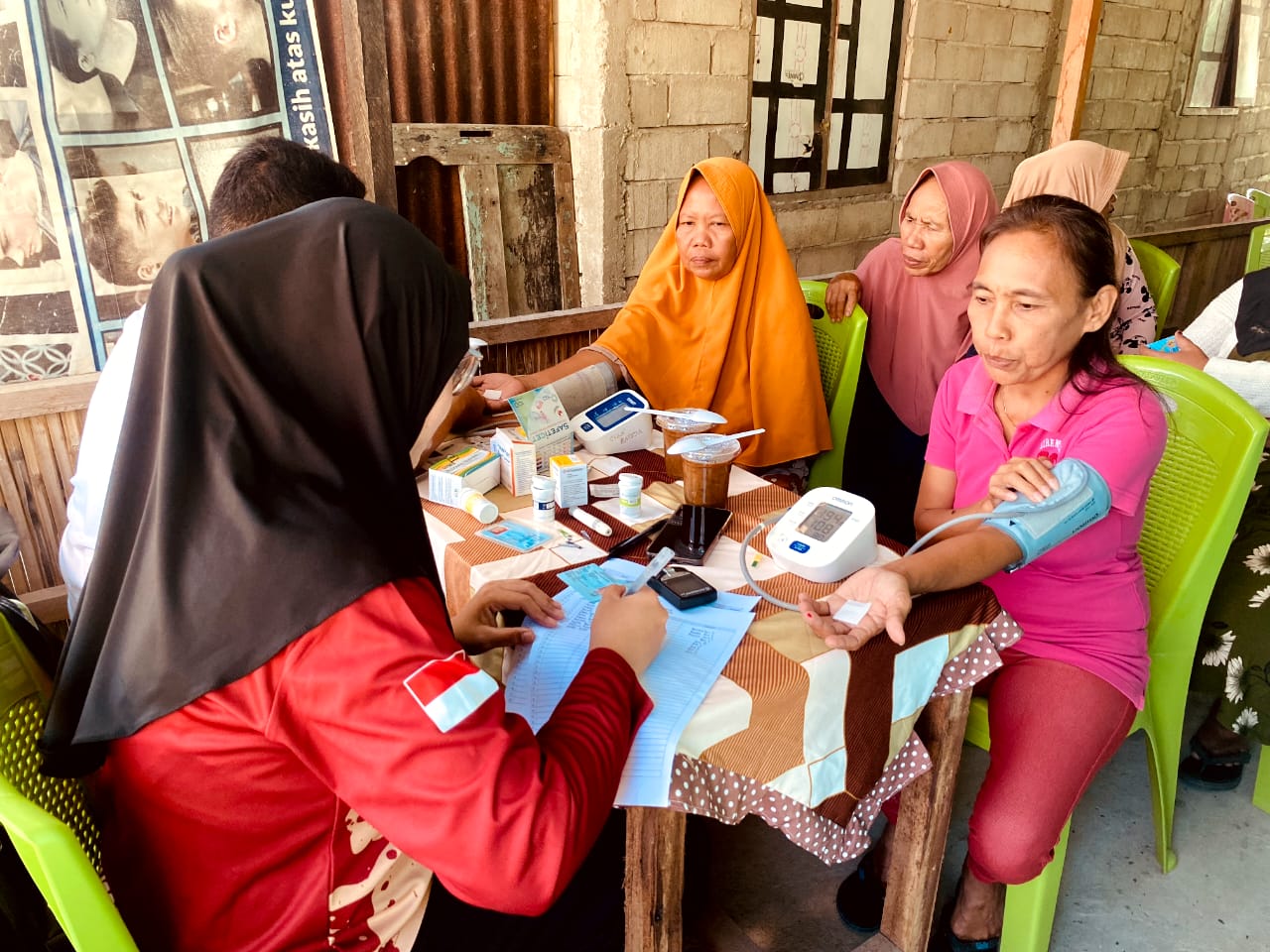
After participating in the exercise session, participants underwent a screening for noncommunicable diseases (NCDs) as part of an effort to detect risk factors for chronic diseases early on. This screening is an important step because many noncommunicable diseases develop slowly without showing symptoms in the early stages.
Through health screenings, people can identify their health conditions early on, giving them the opportunity to make lifestyle changes or seek medical treatment before more serious complications arise.
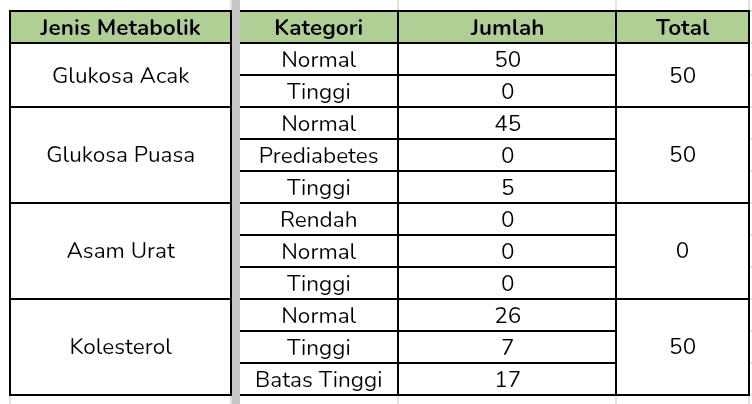
Screening in Samarinda of a total of 50 participants revealed several metabolic risk factors that require follow-up, namely: 5 people with high fasting glucose levels, and 24 people with cholesterol issues (17 in the borderline-high category and 7 in the high category). These findings indicate that early detection is a crucial step in ensuring that risk factors for noncommunicable diseases can be promptly addressed through lifestyle changes or follow-up examinations at healthcare facilities.
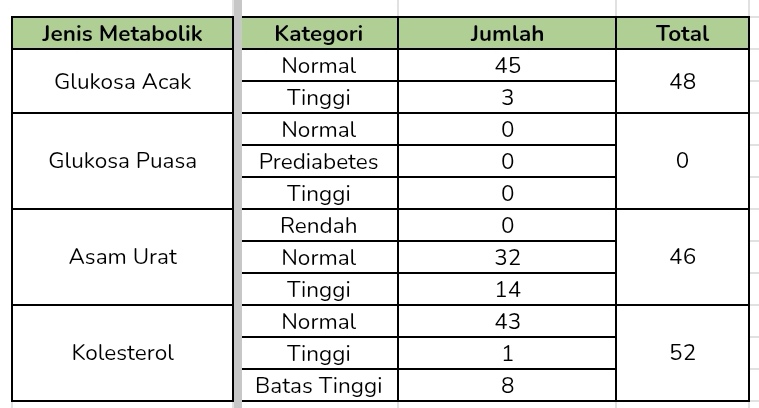
The results of the NCD screening in Banyumas show that most participants have good metabolic health, though a number of risk factors requiring attention were still identified. Based on the examinations conducted, 3 people were found to have high blood sugar, 14 people had high uric acid levels, and 9 people had cholesterol levels in the borderline-high to high range. These findings underscore the importance of routine health checkups as a means of early detection, so that noncommunicable diseases can be prevented and managed before they progress into more serious complications.
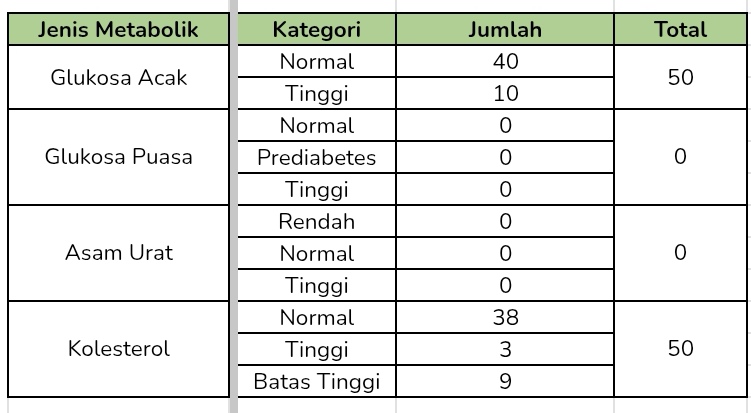
Meanwhile, the screening results in Gorontalo—based on a total of 50 participants—revealed the following metabolic risk factors requiring follow-up: 10 people with high random glucose levels and 11 people with cholesterol issues (9 in the borderline-high category and 3 in the high category). Based on these findings, the public is encouraged to better understand the importance of maintaining physical activity, following a healthy diet, and undergoing regular health checkups.
Health Education to Foster Healthy Lifestyle Habits
In addition to receiving health checkups, participants also learned about the importance of physical activity, a balanced and nutritious diet, and regular health checkups.
Through a promotive and preventive approach, the public is expected to be able to identify risk factors for noncommunicable diseases and adopt healthy lifestyle habits in their daily lives.
Cita Sehat’s Commitment to Building Healthy Villages, Strong Minds, and Empowered Communities
Healthy Exercise and NCD Screening are part of Cita Sehat’s commitment to providing community-based health services through the Kampung Seraya Cita Sehat program.
With the support of donors and partners, this program not only provides access to health screenings but also fosters a sustainable culture of healthy living in the villages it serves.
Cita Sehat believes that big changes always start with small steps. Through regular exercise, health education, and early disease detection, communities can live healthier, more productive lives and avoid the risk of chronic diseases in the future.
About Kampung Seraya
Kampung Seraya is a community under the guidance of Cita Sehat that focuses on community health empowerment, encompassing a range of public health initiatives—from preventive and promotive measures to curative and rehabilitative care.
Kampung Seraya serves as a platform for the holistic development and implementation of Cita Sehat’s programs. In its development efforts, Kampung Seraya has two main focuses: physical health—referred to as the “Physical Domain”—and mental health—referred to as the “Mental Domain.”