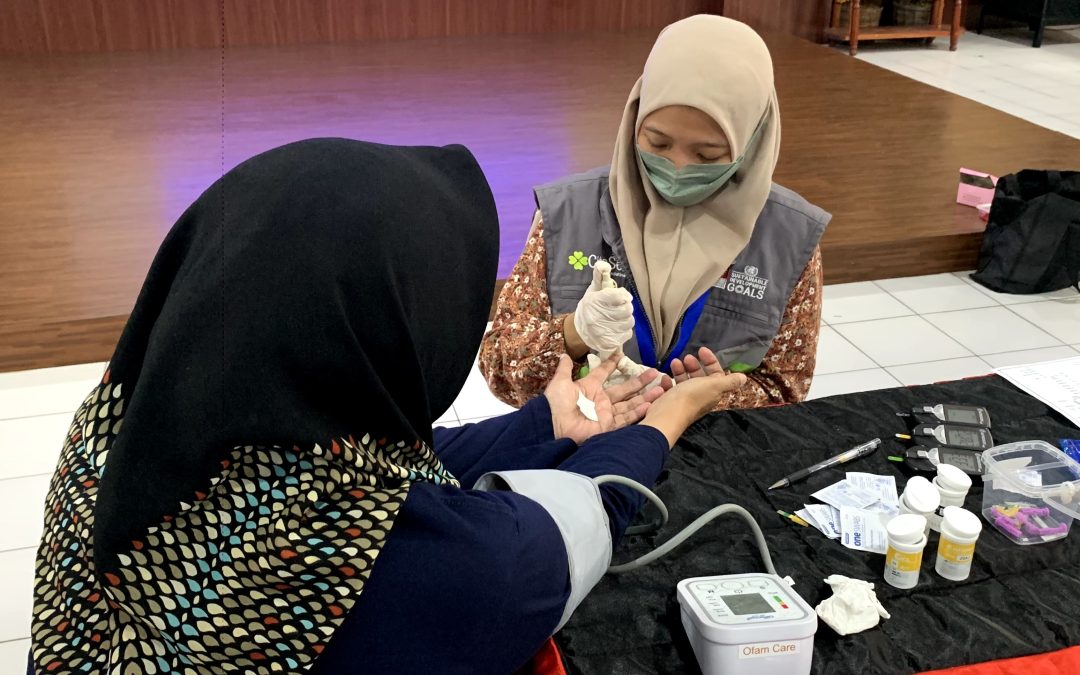
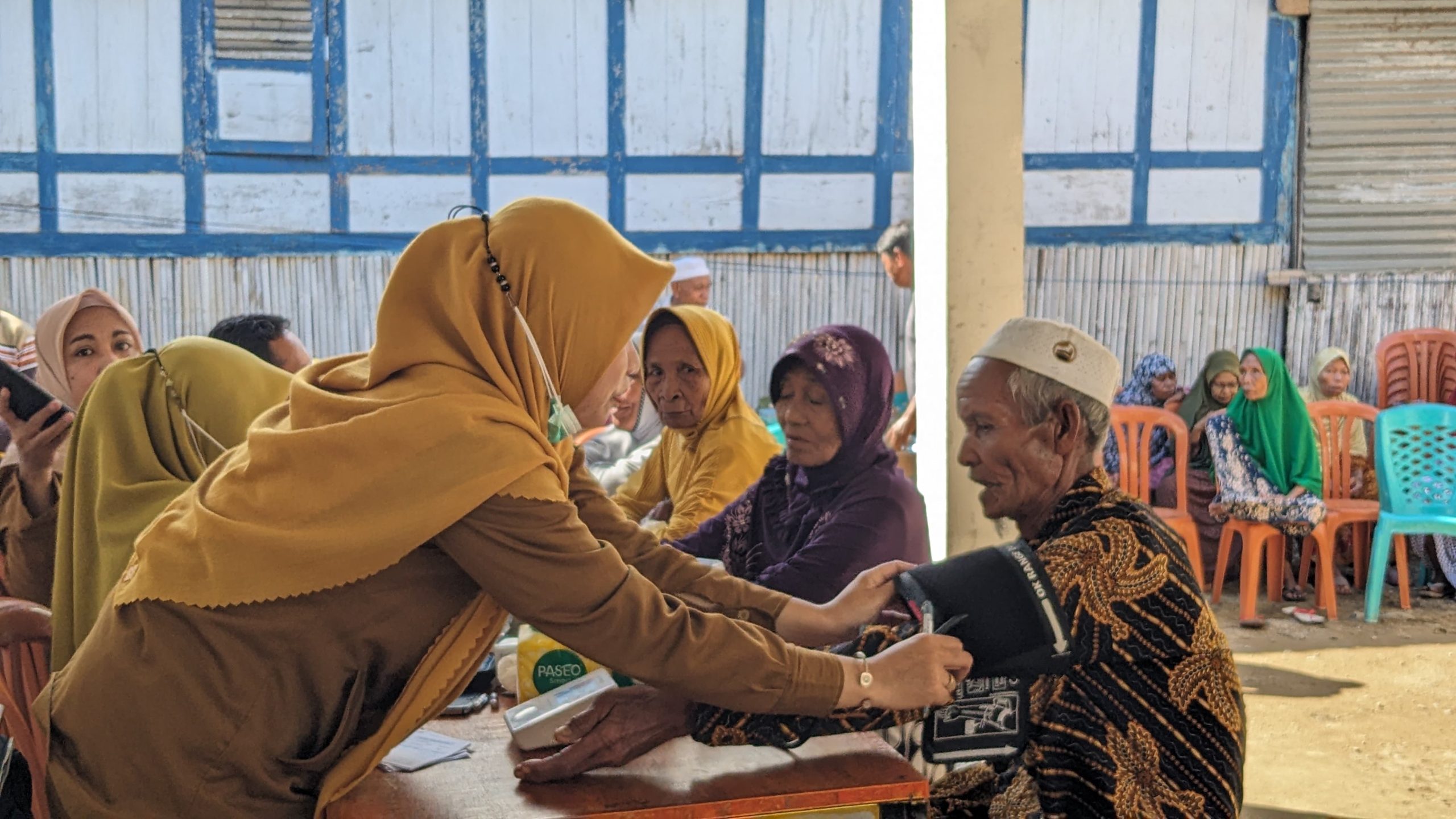
As part of its commitment to improving public health, Cita Sehat, through the Kampung Seraya Cita Sehat Program, organized a Noncommunicable Disease (NCD) Screening event on May 26, 2026. The NCD screening was conducted on an intensive basis in Ntonggu Village, Palibelo Subdistrict, Bima Regency, West Nusa Tenggara (NTB).
Noncommunicable diseases (NCDs), such as hypertension, diabetes mellitus, and other metabolic disorders, are one of the growing health challenges in Indonesia. Many cases of NCDs go undetected in the early stages due to a lack of routine health checkups, so people often do not become aware of their health condition until symptoms begin to appear or even when the disease has progressed further.
Through this screening program, residents have the opportunity to monitor their health directly. The examinations include checks for cholesterol, blood sugar, uric acid, and blood pressure. These examinations serve as a first step in identifying health risk factors that could affect the community’s quality of life in the future.
Kampung Seraya Cita Sehat Program is part of Cita Sehat’s promotional and preventive efforts. In addition to providing access to health services, this program also aims to raise public awareness about the importance of maintaining a healthy lifestyle and undergoing regular health checkups.

Medical Analysis Results & Field Findings
Based on the results of specific tests of metabolic parameters among residents of Ntonggu Village, Kampung Seraya team identified several critical health issues that require serious follow-up:
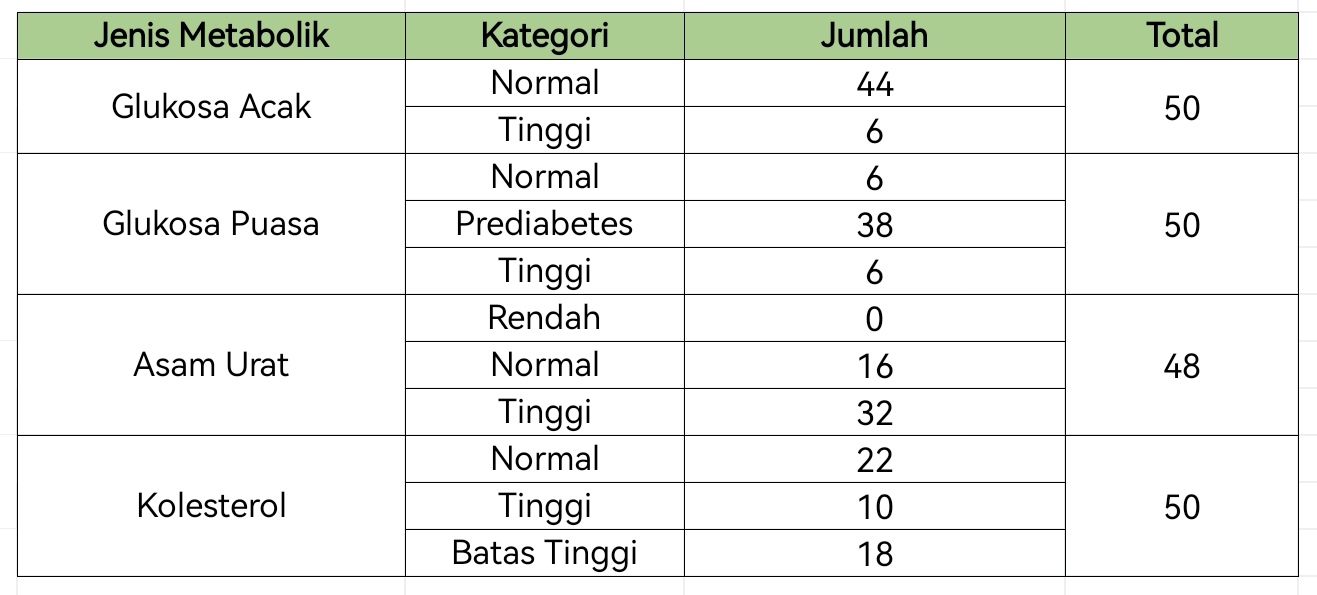
- High Uric Acid Levels Predominate: Of the 48 residents who underwent uric acid testing, 32 were found to have uric acid levels above the normal threshold (high). Meanwhile, only 16 had normal uric acid levels.
- A concerning cholesterol profile: Based on cholesterol tests conducted on 50 participants, it was found that only 22 had normal cholesterol levels, 10 were in the high cholesterol category and the remaining 18 were in the borderline-high category. This indicates that more than 50% of the screening participants are at cardiovascular risk due to fluctuations in cholesterol levels.
- Blood Sugar & Prediabetes Alerts: In the random glucose test, the majority of residents (44 people) were within the normal range, and only 6 people were found to have high levels. However, in the fasting glucose test, 38 residents were found to be in the prediabetes stage, 6 were within the normal range, and 6 were confirmed to have high levels. This high rate of prediabetes serves as an early warning for residents to immediately improve their daily dietary habits before it progresses to type 2 diabetes.
Through NCD screening activities, the public is expected to gain a better understanding of their health status and be encouraged to take the necessary preventive measures. Early detection is one of the key factors in reducing the risk of complications from noncommunicable diseases while improving the public’s quality of life.
Cita Sehat believes that efforts to create a healthy society require collaboration among various stakeholders as well as the active involvement of the community itself. Therefore, health programs that focus on promotive and preventive aspects will continue to be developed to reach more beneficiaries.

Cita Sehat would also like to express its deep appreciation and gratitude to its donors. Their consistent support has enabled preventive programs—such as this NCD screening—to run successfully, bringing lasting benefits and paving the way for a healthier, more empowered, and more productive rural community in Indonesia.