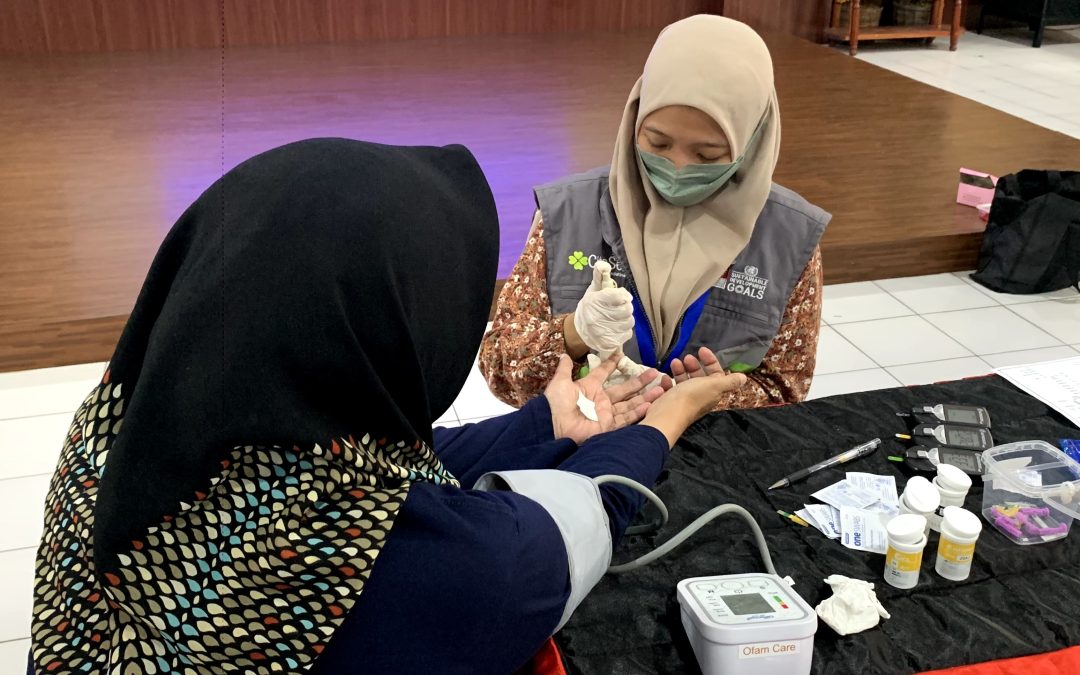

Jakarta — Strengthening diagnostic systems is one of the key steps in building a resilient healthcare system that can respond to various health challenges. This was one of the focal points of the Asia Pacific Diagnostic Leadership Summit, held on August 31, 2026, at the Hotel Indonesia Kempinski in Jakarta.
The meeting, which brought together health stakeholders from the Asia-Pacific region, served as an opportunity to launch the APEC Diagnostics Landscape Assessment and Policy Blueprint, while also opening a space for dialogue on the implementation of recommendations to strengthen diagnostic systems in the region.
This event was initiated by the APAC Diagnostics Coalition (APDC) with the support of the Ministry of Health of the Republic of Indonesia and was attended by experts and health stakeholders from the Asia-Pacific region.
Diagnostics as a Pillar of a Resilient Health System
APDC is a regional multi-stakeholder initiative that brings together the private sector, governments, and technical partners to support countries in the Asia-Pacific region in strengthening diagnostics as one of the core pillars of a resilient health system.
During the forum, discussions not only highlighted the importance of the availability of diagnostic technologies and services but also how diagnostic systems can be strengthened through policy, financing, and cross-sector collaboration.
Indonesia was a key focus on the agenda as it could serve as a case study for implementing policy proposals to optimize diagnostic systems—proposals developed through the APEC Health Working Group.
This approach is particularly important in addressing non communicable diseaseas (NCDs), which require continuous detection, diagnosis, management, and monitoring.
Turning NCDs Funding into an Investment in Health
One of the topics discussed at the meeting highlighted the importance of optimizing collaboration between the Indonesian Ministry of Health, development agencies, and the private sector to strengthen the diagnostic system in Indonesia.
This cross-sectoral collaboration is expected to drive a shift in perspective regarding the financing of noncommunicable diseases. The management of NCDs should not be viewed merely as a source of fragmented costs, but as part of a strategic investment in safeguarding public health and strengthening the resilience of the health system.
Strengthening diagnostics can play a role from the early detection stage through to disease management. With a more integrated system, diagnostic data and results can serve as the basis for determining more appropriate health interventions and supporting decision-making based on community needs.
Cita Sehat Supports the Strengthening of NCD Diagnostics in Indonesia

As a nongovernmental organization focused on health issues in Indonesia, Cita Sehat participated in the forum and supported efforts to strengthen the diagnostic system, particularly in the management of non communicable diseaseas (NCDs in Indonesia.
Cita Sehat’s involvement in this forum is part of its commitment to continuously expand collaboration and perspectives in delivering health solutions that are not only treatment-oriented but also focused on prevention and early detection.
For Cita Sehat, strengthening the healthcare system requires the involvement of various stakeholders. The government, health institutions, the private sector, civil society organizations, academics, and development partners all play complementary roles in ensuring that the public has access to quality healthcare services.
The Asia Pacific Diagnostic Leadership Summit also highlighted that health challenges in the Asia-Pacific region require a collective approach. Strengthening diagnostics is one of the foundations for building a healthcare system that is better prepared to address the burden of disease, including the growing challenges posed by noncommunicable diseases.
Through collaboration and knowledge exchange at the regional level, Cita Sehat continues to support efforts to build a stronger, more integrated healthcare ecosystem that is oriented toward the needs of the community.
Cita Sehat believes that a strong healthcare system begins with the ability to identify health issues early, make data-driven decisions, and ensure that the public receives the appropriate interventions.